Get started
 Log in
May 01, 2026 • read
Qmlativ Spotlight: Ed-Fi Data Standards
|
Carrie Cooey Edtech Thought Leader |

Carrie Cooey
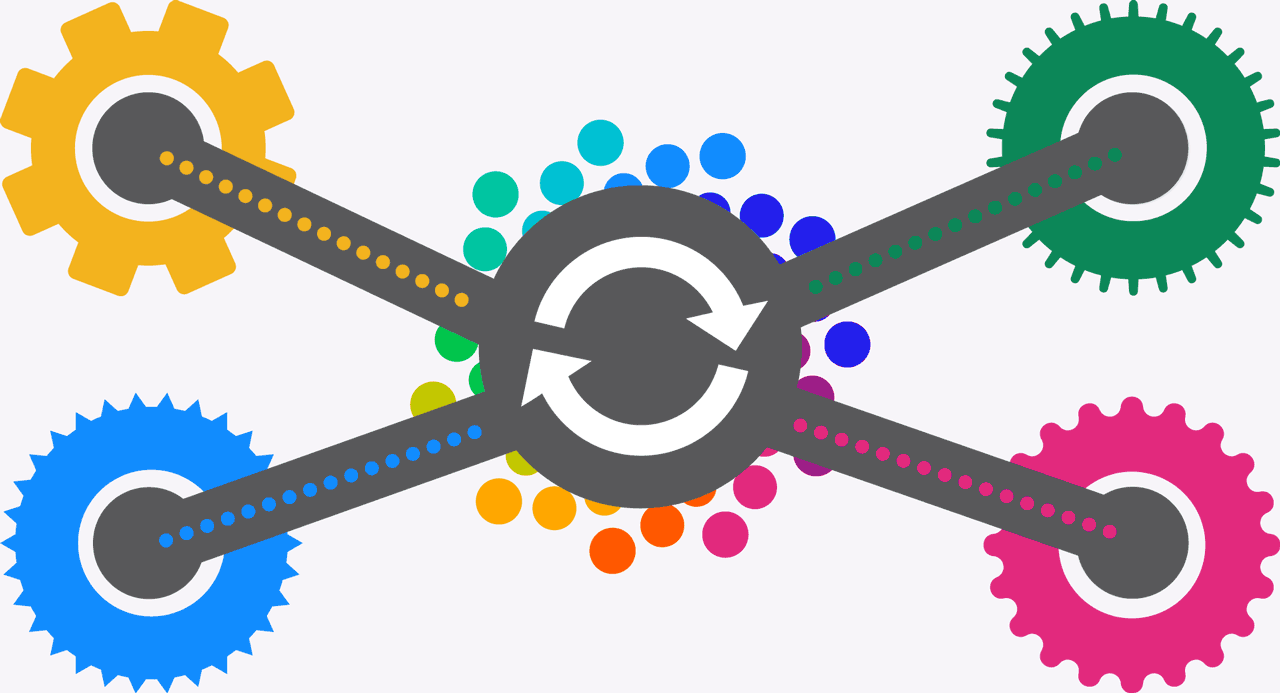
Data standards give schools and systems an agreed upon language, model, and commonality between the data they share. It’s more harmony among schoolwide systems and the edtech ecosystems they maintain.
As students move through their K–12 careers, many move geographically as well. Bridging between districts means a lot to students who work hard for their grades and achievements and knowing more about a student benefits teachers when goal setting.
Why do schools rely on Ed-Fi?
Schools choose to rely on a standard to simplify data management and ensure data can be transferred with minimal effort between systems. It’s one less thing educators are responsible for keeping in mind, and one more thing a student information system (SIS) can streamline and translate effortlessly.How is Skyward prepared to use Ed-Fi standards?
Different states are Ed-Fi ready in Skyward’s SIS. For Qmlativ users in Florida, Kansas, Texas, Washington, and soon-to-be Tennessee, functionality and data management is certified to meet the core Ed-Fi baseline.In addition, several states are ready for Ed-Fi state reporting extensions. Indiana, Kansas, Wisconsin, Minnesota, Michigan, and Texas—with Tennessee on the way, anticipated in 2027—have state extensions in place.
To explore an Ed-Fi license for your SIS, reach out to your account representative. Ed-Fi standards continue to evolve in each state, so even if a use case isn’t yet certified, we can explore alongside you to determine which data elements can help.
Talking the Ed-Fi talk
Wondering how to align your own Skyward vocabulary with Ed-Fi standards? Here’s a glossary of terms for educators.Dashboard/Standard profile: Ed-Fi Alliance’s certified base standard
Core+: Skyward’s Qmlativ framework built with certifiable components of Ed-Fi
State extensions: Fields added on top of Core+ specific to state reporting
Descriptors: Codes that must be mapped to local values
Operational data store (ODS): The server receiving your data
Mass send: Full data push
Data by subject: An interface to compare data in Skyward with the ODS
What’s the benefit of Ed-Fi capable SIS for schools?
When standards provide stability and data is precise, forecasting becomes foundational to success.In the realm of teaching and learning, the visibility into student achievement creates a foundation for educators to build plans for learning, intervention, and district-wide goals.
For students, schools are a stabilizing force. Thanks to data standards including Ed-Fi, students’ data can be too. A portfolio can be a passport upward out of poverty. As students move from place to place, their records can follow them even if different schools choose different SIS solutions.
What’s next for Ed-Fi and Skyward?
Aside from state reporting extensions, other types of enhancements related to Ed-Fi are in the works.Assessment data is invaluable to educators keeping students on their own personal growth track—whether that’s grade-level, intervention, or special education. Having assessment data flow into the ODS will help standardize the intervention and achievement experience for students.
Next, enhancements related to Ed-Fi include different ways of structuring data and daily tasks. Data by subject will add additional sorting features, while reviewing tasks helps users stay on track when managing student data.
If you’d like to know more about how Ed-Fi standards work, you can access a deep dive here: An Ed-Fi Primer
Thinking about edtech for your district? We'd love to help. Visit skyward.com/get-started to learn more.
|
Carrie Cooey Edtech Thought Leader |