
Most K-12 districts don’t have a designated, full-time grant writer. This puts a lot of pressure on educators and administration to take on grant writing themselves, even though it’s rarely part of the job training.
Grant writing is an essential skill, especially during a time when budgets are being cut at the federal and state levels. Ultimately, financial leaders are left to make difficult decisions that often puts teacher- and student-led projects on the chopping block. This is where grant writing skills come into play. Grants can take your classroom to the next level with just a few pages of persuasion and heart, and at little to no added cost to your school’s budget.
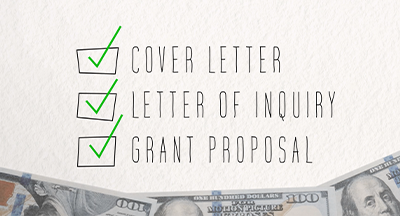
After you browse available requests for grant proposals and pick one, ensure you follow the grant foundation’s guidelines and answer the right questions with the proper documents. Some may require a cover letter and a letter of inquiry in addition to the grant proposal.
As you go down this list, aim to add more depth by describing your school’s needs, goals, and qualifications.
Cover Letter
A cover letter for a grant is similar to one you would write when seeking employment. The most important aspect remains the same: a narrative. Share what’s necessary by being concise and using impactful language.
Use this PDF as a guide for your Cover Letter.
Letter of Inquiry
Letter of inquiry (LOI) is written to the funders to summarize your project and further pique their interest. This shouldn’t be longer than three pages, so explain your project’s goals and connect it with the foundation’s mission and values. Show how your outcomes might fit their requests and how you intend to measure success.
Use this PDF as a guide for your Letter of Inquiry.
Grant Proposal
The grant proposal is applied after the funder has shared their interest in your project. Grant proposals are typically at least six pages long but can be as long as twenty depending on the application guidelines. This should be much more detailed than the cover letter and LOI.
Take a lesson from your district’s composition teacher and understand the art of persuasion: ethos, logos, and pathos. Your grant proposal should hit at minimum two—if not all—methods of persuasion. Establish your credibility as a district (ethos), ensure that the project is sincere and necessary (pathos), and use research to solidify your claims (logos).
Look at past grant prize winners for reference.
Use this PDF as a guide for your Grant Proposal.
Once all of these are written, you can easily edit and adapt them to multiple grant applications. Just ensure that you change the date, addresses, and other foundation- or project-specific differences.
You can download these guides for your district. We hope you get the funding you deserve. Happy grant writing!
WHAT'S NEXT FOR YOUR EDTECH? The right combo of tools & support retains staff and serves students better. We'd love to help. Visit skyward.com/get-started to learn more.

|
Abby Paulsen Edtech Thought Leader |