Leadership •
 BY Kaeley Stiefvater
A Coach's Perspective: Identifying & Growing Student Leaders
BY Kaeley Stiefvater
Kaeley Stiefvater
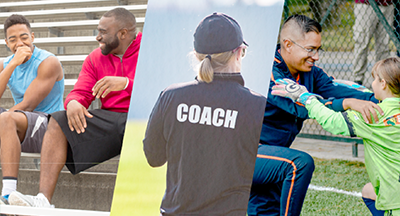
In the realm of sports where physical, mental, and emotional resilience are needed to reach a goal, rising student leaders reveal themselves early and often. Who better to watch for them and stoke the fire than their coaches? From individual goal-setting meetings to team practices and the pressures of competition, coaches witness, through a variety of circumstances, who has leadership depth, who is apathetic to involvement, and all degrees of investment in between. With that daily witness, coaches are uniquely positioned to help sharpen SEL skills in rising leaders.
Qualities coaches look for in student leaders, and how to fan the flame.
1. Curiosity and initiative
What coaches look for: A desire for knowledge and acquiring the skills necessary to achieve a goal. These students ask thoughtful questions, seek clarity, and actively put insights to work.Fanning the flame: Create opportunities for ownership and self-discovery. Invite students into your why. Be transparent about the strategies you employ, decisions you make, and the culture you aim to cultivate. When students feel they have permission to be inquisitive and contribute in a meaningful way, their investment and confidence grow.
2. A “goal-getting” attitude
What coaches look for: Students who don’t just set the goal but chase it. They create actionable plans with the help of mentors and exhaust their resources for the sake of the end goal.Fanning the flame: Be invested, even before students are. Lead with enthusiasm and the unwavering belief in their potential. Don’t just celebrate outcomes, celebrate progress. Praise students when you notice them going the extra mile and encourage them to keep going.
3. Interest in others’ success
What coaches look for: Rising leaders aren’t solely focused on themselves and their improvement but thoughtful about who they can support along the way. They invite peers to the gym for extra training, provide pointers, lead drills, and are their teammates’ strongest advocates on competition day.Fanning the flame: Presence deepens when students understand that leadership is about impact, not performance. Give them opportunities to connect with peers on a more meaningful level. Encourage them to step up for those struggling and celebrate the achievements of others publicly.
4. Accountability to self and the collective
What coaches look for: Students who are open to critique and willing to pivot when necessary. They’re willing to face their weaknesses and seek guidance on how to grow. Accountability also looks like social responsibility: keeping peers in check, calling out disrespectful behavior, standing up for others when needed, and investing in the success of the entire group. This can be a rare quality, one that shines brightly when social pressure and the need to fit in often dissuade students from swimming against the current.Fanning the flame: Provide opportunities for meaningful investment. Create a unified culture where varsity athletes mentor JV athletes, or where high school athletes mentor middle or elementary athletes. When students feel responsible for something bigger than themselves, their sense of agency and impact deepens.
5. Mental elasticity and perseverance
What coaches look for: How students navigate failure. How do they respond to teammates’ successes or failures and the outcome of competition? Do they berate and emotionally sabotage peers experiencing a stormy day, or do they offer an umbrella? Do they let shortcomings rule their attitude for the rest of the season, or do they assess what went wrong and pivot with the guidance of their coaches and other trusted adults?Fanning the flame: Normalize adversity and the growth that comes from it. Resilience is built; it’s not necessarily a natural quality. Create a culture where mistakes are met with grace instead of sources of shame. Help them see valley descents as a normal, essential part of climbing toward the summit. Model emotional regulation, self-reflection, and perseverance yourself. Students develop mental elasticity and the ability to address problems in creative ways when they know failure is temporary and support is always there.
Coaches have the privilege of guiding students through circumstances that classrooms can’t always replicate. Moments of unified purpose, physical and mental resilience, and both individual and collective adversity. It’s out of these environments that leaders are refined. When districts leverage a coach’s ability to strategically participate in that refinement, they help shape leaders who will influence far beyond their sport and classroom.
WHAT'S NEXT FOR YOUR EDTECH? The right combo of tools & support retains staff and serves students better. We'd love to help. Visit skyward.com/get-started to learn more.

|
Kaeley Stiefvater Edtech Thought Leader & Head Swim Coach |